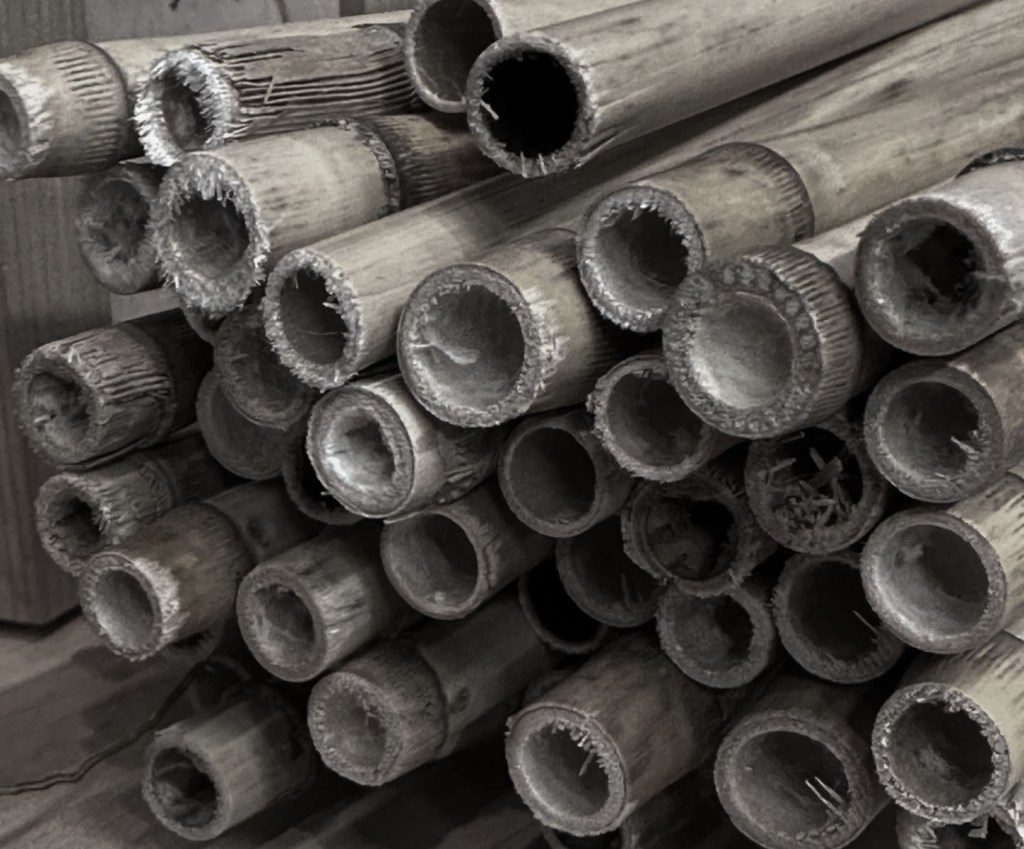
Reviewing: PolliNation Episode 45: “Practicing Good Mason Bee Stewardship… The Bee Buddy Way”
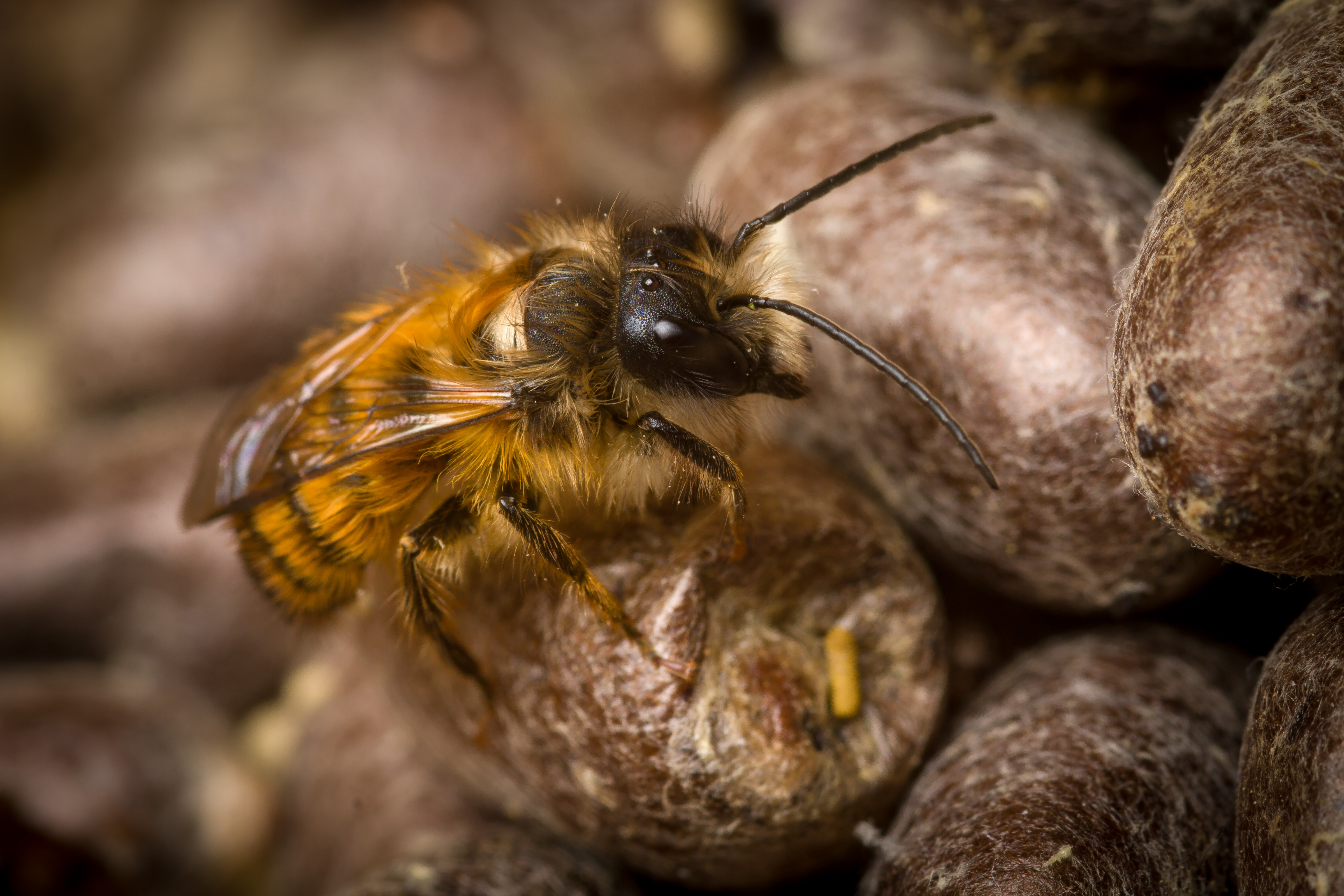
HAZET, CC BY-SA 4.0 https://creativecommons.org/licenses/by-sa/4.0, via Wikimedia Commons
Key Takeaway 1: Mason bees are a type of native bee that can be managed; when this is done properly, their survival rate can triple.
Key Takeaway 2: Mason bee management requires active participation throughout the bee’s lifecycle to ensure a positive impact on the local mason bee population. Improper management can lead to declines in the local population.
PolliNation is a podcast created by Oregon State University’s Extension Service. Its episodes explore pollinators through interviews with researchers and land managers. Episodes range in length from thirty minutes to one hour. This particular episode explores the stewardship of mason bees through the lens of the Bee Buddy program in Corvallis, Oregon. While the program has since been discontinued, the information in the episode is still valuable as an introductory resource about mason bees.
Who should listen to this podcast?
As someone that frequents nurseries, garden supply stores, and bird seed stores I have seen the popularity of mason bee houses grow steadily in recent years. If you are like me and have wondered about these tiny bee houses this podcast is definitely worth a listen. It is by no means a comprehensive resource on raising mason bees, but it is an excellent place to start learning about the stewardship of these fascinating bees.
What’s covered in the podcast?
In this episode, the host of the podcast, Dr. Adoni Melopoulos, interviews experts Heath Keirstead and Jerry Paul. They discuss interesting mason bee facts and the logistics of managing mason bee populations. The episode is full of fun facts like:
- Raising mason bees onsite can double or triple fruit production.
- It would take between five and seven mason bees to pollinate a cherry tree, whereas it would take 600 honey bees to pollinate the same tree.
- Mason bees only fly about 300 feet from their nest site so they can be used to target crops more directly than honey bees, which can fly much farther in search of pollen and nectar.
My favorite quote from the episode is Jerry Paul’s description of the mason bee:
“The mason bee is just a hairy little gal and she just flops in the flower and gets stuff all over her. She also goes from flower to flower and is a great cross pollinator where the honey bee tends to go to the same source all the time back and forth.”
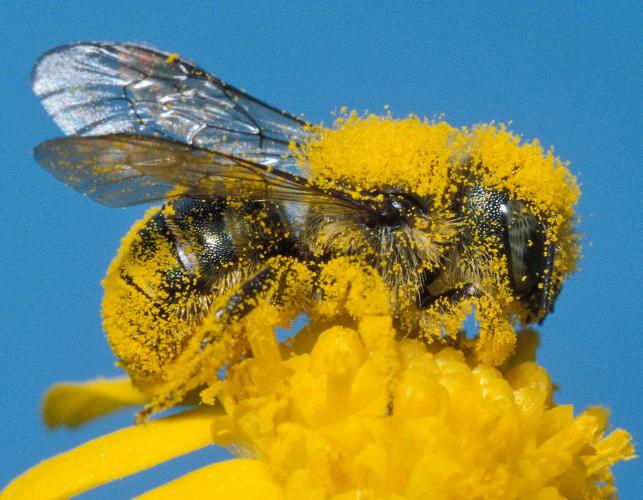
Courtesy of the Missouri Department of Conservation
https://mdc.mo.gov/discover-nature/field-guide/georgia-mason
The episode content also includes a lot of information about how to raise mason bees. I had no idea what an active process it was. The natural survival rate of mason bees is around 30 percent and if they’re properly managed their survival can rise to 90 percent. However, if a step is missed or done improperly the population of mason bees can decline significantly.
Mason bees emerge early in the season and it’s important to release them in two-week intervals. That way if there is an unexpected cold period in the spring that kills the first release you won’t lose your entire crop of mason bees. They must be released when there are enough blooms available to feed them. In June, the mason bee tubes are removed to avoid predatory wasps that feed on the larva.
There are also property requirements for raising mason bees. You must agree to avoid using pesticides, grow the bee’s host plants, and provide a nest site. The Bee Buddy program paired itself with the native plant sale to help new bee keepers grow appropriate food sources.
Even if you’re not planning on raising mason bees, understanding their lifecycle, food choices, and preferred habitat will help you create better gardens that will support these vital pollinators.
Where can I find this podcast episode?
The Oregon State University’s Extension Service also has more comprehensive information on mason bees that can be found here: https://extension.oregonstate.edu/catalog/pub/em-9130-nurturing-mason-bees-your-backyard-western-oregon. This webpage includes care instructions for raising mason bees and excellent photographs of the bees in action.
Sources
Georgia Mason. Missouri Department of Conservation. Missouri Department of Conservation, Accessed January 4, 2024. https://mdc.mo.gov/discover-nature/field-guide/georgia-mason.
HAZET. Newly Hatched Red Mason Bee on Cocoons. 2019. Photograph. Wikimedia Commons. https://commons.wikimedia.org/wiki/File:Newly_Hatched_Red_Mason_Bee_on_Cocoons.jpg.
Heath Keirstead and Jerry Paul, “Practicing Good Mason Bee Stewardship… The Bee Buddy Way,” interview by Adoni Melopoulos. PolliNation. Podcast audio. March 19, 2018. https://extension.oregonstate.edu/podcast/pollination-podcast/45-practicing-good-mason-bee-stewardship-bee-buddy-way.

 The Native Plant Gardener's Notebook

Leave a comment